Loading…
Thursday April 30, 2026 2:50pm - 3:10pm EDT
AUTHORS: Sherique S. Shaw, Jeremy Bennett, Brianna Rhodes, Kalyn D. Pounders

BACKGROUND: Approximately 6.7 million American adults over the age of 20 were diagnosed with heart failure (HF) in 2024. This number is expected to rise to 8.7 million by 2030. Heart failure hospitalizations accounted for the highest healthcare costs among cardiovascular related hospitalization at $18.5 billion. The first 30 days following hospital discharge, patients with HF are highly vulnerable to readmission due to residual symptoms, medication changes, and gaps in care transitions.  During the 2024-2025 fiscal year [FY25] at the Atlanta VA only 35-42% of HF admission patients received any follow up by a provider (primary care, cardiologist, or Clinical Pharmacist practitioner (CPP)) within 14 days of discharge. Previous studies have highlighted the role that clinical pharmacists can play in improving hospital readmission rates for patients with heart failure. In FY25, no standardized process existed to enable CPPs to systematically follow up with and intervene for discharged heart failure patients. The Atlanta VA Health Care System implemented a protocol in FY26 Q1 [October 1, 2025 – December 31, 2025] enabling clinical pharmacists to assess and optimize medication regimens for patients discharged following heart failure diagnosis or exacerbation. This project aims to assess the impact of follow-up intervention or optimization via pharmacist involvement on heart failure discharges on 30-day cardiac readmission rates in veterans with heart failure at the Atlanta VA Health Care System.

METHODOLOGY: This project is a retrospective quality improvement project comparing 30-day readmission rates among patients who were assessed by a CPP within 30 days of hospital discharge versus those who did not receive CPP intervention or follow-up. Inclusion criteria for the study are adults 18 years or older who were hospitalized at the Atlanta VA hospital for FYQ1 2025 and FYQ1 2026  and received a diagnosis of heart failure with reduced ejection fraction (HFrEF) or preserved ejection fraction (HFpEF). Exclusion criteria included veterans who are pregnant, complex heart failure, terminally ill or hospice enrolled and if the veterans were discharged to a non-home environment. Eligible Veterans will be identified using the following methods: heart failure diagnosis ICD-10 codes, heart failure population-management dashboard, the 2-day post-discharge dashboard (monitored by primary care nurses who notify CPPs of actionable patients), referrals from the inpatient team via Pharmacotherapy Heart Failure Discharge Consults, and referrals from any primary care team member or specialist. Once identified, CPPs will provide an intervention and document the interaction under the note titled "Pharmacotherapy Heart Failure Post-discharge Note". Intervention for this research is defined as initiating, titrating, or maintaining GDMT at target or maximally tolerated doses. For this project, a readmission is defined as a hospitalization within 30 days of initial discharge for a HF exacerbation. Readmissions will be identified through discharge summaries tab in computerized patient record system [CPRS] or notes filtered by ICD-10 codes under the post-discharge category. We also will be collecting demographic and clinical characteristics including, age, gender, time of hospitalization, active GDMT prescription before hospitalization, active GDMT prescriptions after CPP assessment, patient readmission, primary care provider or clinic, EF classification prior to admission, type of intervention/optimization provided if any. After capturing the data, we will calculate the percentage of HF readmissions with and without CPP intervention for each fiscal year. Upon review of the data, the impact of the pharmacotherapy task force post discharge follow up will be assessed in order to identify areas for quality improvement.

RESULTS:
In FYQ1 2025, there was a total of 106 HF patients, and 16%(17/106) were readmitted within thirty days. In FYQ1 2026, there was a total of 63 HF patients and 24% (15/63) of HF patient readmitted within 30 days. Only 13% (8/63) of the HF patients in FYQ1 2026 received CPP follow up from the intervention team. Of the HF patients that received a CPP follow up, 13% (1/8) were readmitted in 30 days compared to 26% (14/53) of the HF patients that did not receive CPP follow up.
Veterans were identified for intervention after discharge using the multiple methods such as ICD-10 codes, the 2-day post-discharge dashboard, and the pharmacotherapy heart failure discharge consults. Of the 8 patients that received a CPP intervention, 63%(5/8) were identified through pharmacotherapy heart failure discharge consults. All patients identified through this consult (5/5) remained readmission-free at 30 days.

CONCLUSIONS: It is recommended to provide additional education to staff of available options to notify CPPs to heart failure discharge patients to make a greater impact. CPP intervention had lower percentage of 30 day readmission rate.
Moderators Presenters
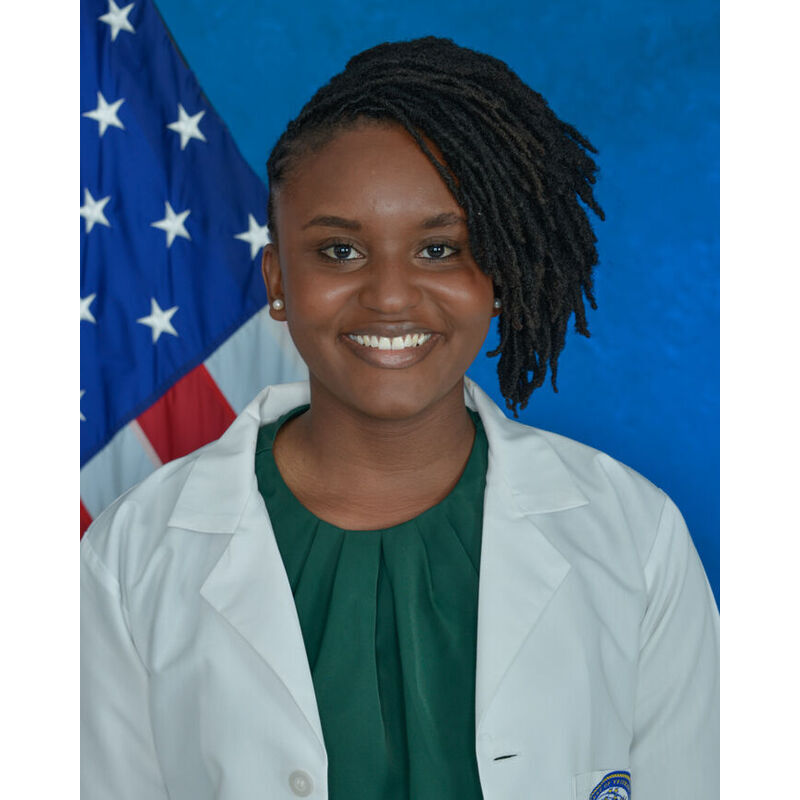
avatar for Sherique Shaw

Sherique Shaw

PGY 1 Pharmacy residents, Atlanta VA Medical Center
Hi! My name is Sherique Shaw. I am one of the current PGY1 Pharmacy Residents at the Atlanta VA Medical Center. I earned my Doctor of Pharmacy degree from Mercer University College of Pharmacy in Atlanta, GA. I have a strong interest in ambulatory care, with a focus on chronic disease... Read More →
Evaluators
Thursday April 30, 2026 2:50pm - 3:10pm EDT
Parthenon 1

Attendees (6)


Sign up or log in to save this to your schedule, view media, leave feedback and see who's attending!

Share Modal

Share this link via

Or copy link