Background:
Medication discrepancies during transitions of care, including emergency department (ED) admissions, are prevalent and can lead to medication errors, adverse drug events (ADEs), and increased healthcare costs.1 Medication reconciliation is the formal process of creating the most accurate medication list and comparing it against medication orders.2 Accurate medication reconciliations are often limited by time constraints, incomplete medication history, and a lack of dedicated staff.3 Pharmacist led medication reconciliations increase accuracy and are shown to improve medication safety. On average, about two-thirds of pharmacists’ recommendations are accepted by clinical providers.1 In the two years since the Emergency Department Clinical Pharmacist Practitioners (ED CPPs) began conducting medication reconciliations at the Salisbury VA Medical Center (SBYVAMC), their impact has not been formally evaluated. The purpose of this quality improvement (QI) project is to assess the number and types of medication discrepancies identified through pharmacist-led medication reconciliations.
Methods:
A retrospective chart review was conducted at the SBYVAMC from January 1, 2025, to April 1, 2025, utilizing the Computerized Patient Record System (CPRS). Veterans were included if they were 18 years and older, admitted to an inpatient service, and a complete medication reconciliation was performed by an ED CPP. Data collection was compiled in a secure, password-protected REDCap database. In CPRS, the ED CPPs enters medication reconciliation notes and document veterans' medication lists, provided by the veteran, guardian, or an external resource. Demographics, admission diagnosis, and prescription/medication information are recorded in the notes, and a pharmacist, provider, or other clinical team member are alerted. The primary outcome of this study is to identify the number and type of discrepancies identified per medication reconciliation. Secondary outcomes include the number of pharmacist interventions and high-risk medication interventions implemented by the clinical team.
Results:
Out of 418 unique veterans, 400 veterans met inclusion criteria. ED CPPs completed a medication reconciliation on 4.6 veterans a day - identifying a total of 1,400 discrepancies, with an average of 3.5 discrepancies per medication reconciliation and 16.1 discrepancies identified per day. Most medication discrepancies were reported by the veteran, caregiver, or both (n = 438). Most veterans identified as white, non-Hispanic males over the age of 65, which is consistent with the broader veteran population. The most common admitted services were general medicine (n = 223) and psychiatry (n = 113). The ED CPPs alerted 607 pharmacists, providers, or advanced practice providers to their medication reconciliation notes. The most common discrepancy was the veteran self-discontinuing their medication (n = 579), of which 66.3% were appropriately restarted during hospitalization. The second most common discrepancy was incorrect dose, frequency, or timing (n = 379), which was resolved upon admission 68.9% of the time. Another common discrepancy was veterans taking expired, discontinued, or completed medications (n = 345). The intervention to not order these medications upon admission occurred 71.9% of the time. Lastly, based on veteran’s renal function, the ED CPPs made 63 recommendations to hold or adjust medication dose. These recommendations were implemented 47.6% of the time. For high-risk medications, 107 medications were involved in discrepancies and 54 interventions were implemented. For veterans on insulin, the dose determined during medication reconciliation was ordered 27.3% of the time at admission.
Conclusion:
The volume of medication reconciliations and clinical recommendations provided by the ED CPPs improve the accuracy of admission medication regimens at SBYVAMC. This data will provide education to the clinical teams to review the medication reconciliation notes and implement ED CPPs’ recommendations as they see clinically appropriate.
Moderators 
Cardiology Clinical Pharmacist, PGY1 RPC, Wellstar MCG Health
I graduated from UGA College of Pharmacy and then completed a PGY1 residency at UNC REX Healthcare in Raleigh, NC and completed a teaching certificate from UNC Eshelman School of Pharmacy. I then completed a PGY2 Cardiology Residency at the University of Kentucky HealthCare in Lexington...
Read More →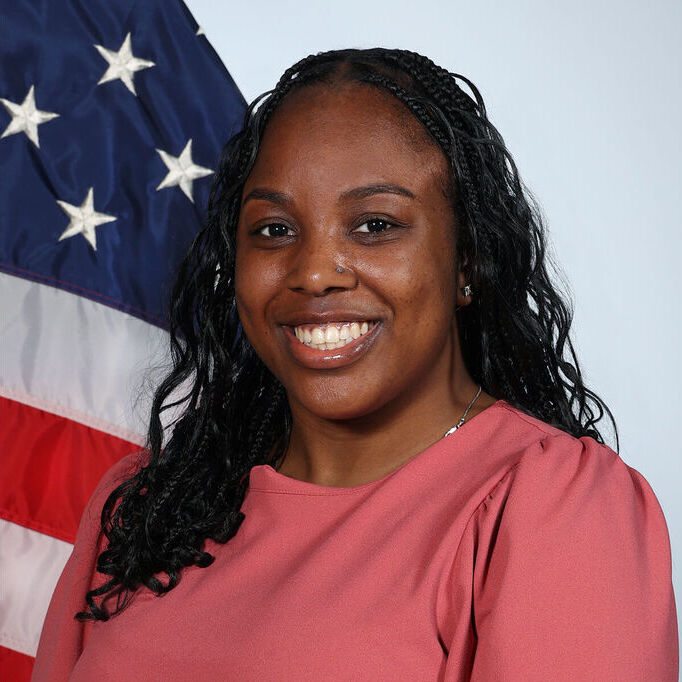
PGY1 Pharmacy Resident, Salisbury VA Health Care System
Jada Abrams is a PGY1 Resident at the Salisbury VA Medical Center. She received a bachelor's degree at Howard University in 2021 and graduated from the UNC Eshelman School of Pharmacy in 2025. Her current interests include ambulatory care, academia, and serving underserved communities...
Read More →NJ
Pain Clinical Pharmacist Practitioner (Facility PMOP Coordinator)
Thursday April 30, 2026 1:50pm - 2:10pm
EDT
Olympia 1