Loading…
Friday May 1, 2026 10:20am - 10:40am EDT
Background: Stroke complicates up to 20% of traumatic blunt cerebrovascular injuries (BCVI), with the highest risk occurring within 72 hours of injury, underscoring the importance of prompt antithrombotic therapy. Current guidelines from the Eastern Association for the Surgery of Trauma and the Western Trauma Association recommend antithrombotic therapy but differ in preferred agents and dosing strategies. Prisma Health Richland’s (PHR) institutional guideline recommends aspirin monotherapy for BCVI grades I–III without specifying dose. Data comparing aspirin dosing in BCVI are limited. One retrospective study reported a 3.5% stroke rate with aspirin 81 mg, compared with previously reported rates of 2–8% using aspirin 325 mg. We sought to compare the incidence of ischemic stroke among patients with traumatic BCVI treated with aspirin 81 mg versus 325 mg. 
  
Methods: We conducted a retrospective cohort study of adult patients with traumatic BCVI treated with aspirin monotherapy at PHR from February 27, 2021 to September 30, 2025. Patients with stroke prior to aspirin initiation during index admission, inconsistent aspirin dosing within the first 7 days, or grade V BCVI were excluded. The primary outcome was ischemic stroke within 90 days of injury. Secondary outcomes included time to aspirin initiation, adherence to repeat imaging guidelines, worsening intracerebral hemorrhage (ICH), worsening solid organ injury, gastrointestinal (GI) bleeding, and in-hospital mortality. Baseline characteristics were compared using appropriate univariate analyses. Multivariable logistic regression was performed to evaluate the association between aspirin dose and ischemic stroke, adjusting for BCVI grade and time to aspirin initiation. 
  
Results: This study included 130 patients with a traumatic BCVI who were treated with aspirin therapy for stroke prevention. Of those included, 106 patients (81.5%) received aspirin 325 mg and 24 patients (18.5%) received aspirin 81 mg. Baseline characteristics were similar between the two treatment groups, with the majority being African American males. The most common mechanism of injury was motor vehicle collision (73.8%), followed by injury due to a fall (16.2%) and assault (1.5%). Concomitant traumatic brain injury was present in 46.2% of patients, while 13.8% of patients also had a solid organ injury. During the study period, 12 patients (9.2%) experienced an ischemic stroke. Ten of these patients received aspirin 325 mg, while 2 patients received aspirin 81 mg (p=1). Multivariate logistic regression with covariates BCVI grade and time to aspirin initiation demonstrated no different in the incidence of ischemic stroke with aspirin 325 mg (aOR 0.831, 95% CI 0.951-1.003). The majority of patients (94.6%) had repeat imaging completed within the 7-day timeframe indicated in our local BCVI guidelines. A new or worsening ICH occurred in 22 patients, the majority being in the aspirin 325 mg group (n=19; p=0.764), and a GI bleed occurred in 5 patients, all of whom received aspirin 325 mg (p=0.584). The overall mortality rate was 9.2% with 8 patients in the aspirin 325 mg group and 4 patients in the aspirin 81 mg group dying during the study period (p=0.225) 
 
Conclusion: This retrospective cohort study found that patients with a traumatic BCVI were more frequently treated with aspirin 325 mg compared to 81 mg, however, there was no significant difference in the primary outcome comparing the incidence of ischemic stroke between these two treatment groups. There was a non-significantly higher incidence of new or worsening ICH and GI bleed in the aspirin 325 mg group. These findings suggest that a larger study with more variance in aspirin treatment may be beneficial to validate a correlation between aspirin dose and incidence of ischemic stroke. 


Moderators
avatar for Stephanie Lesslie

Stephanie Lesslie

PGY-2 Critical Care Residency Director, Memorial University Medical Center
Presenters
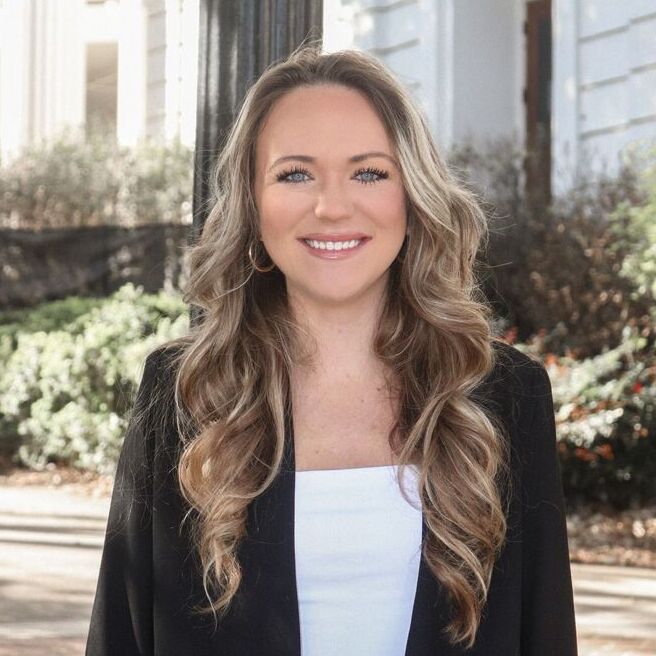
avatar for Kendall Jolly

Kendall Jolly

PGY1 Pharmacy Resident, Prisma Health Richland - University of South Carolina
Kendall Jolly is a PGY1 Pharmacy Resident at Prisma Health Richland. She completed her Bachelor of Science and Doctor of Pharmacy degrees at the University of Georgia. After PGY1, she will be staying at Prisma Health Richland to complete a PGY2 in pediatrics.
Evaluators
avatar for Jonathan Alligood

Jonathan Alligood

Residency Program Director, Phoebe Putney Memorial Hospital
Friday May 1, 2026 10:20am - 10:40am EDT
Athena I

Sign up or log in to save this to your schedule, view media, leave feedback and see who's attending!

Share Modal

Share this link via

Or copy link