Loading…
Friday May 1, 2026 11:20am - 11:40am EDT
Purpose: The literature surrounding optimal treatment of massive pulmonary embolisms (PE) is unclear. Numerous studies have been published regarding treatment options including anticoagulation, fibrinolytic therapy, thrombectomies, catheter-directed fibrinolytic therapy, and surgical embolectomy with limited direct or combination therapy comparisons. This study aims to evaluate anticoagulation alone to anticoagulation plus intervention (fibrinolytics, thrombectomy, catheter-directed fibrinolytic therapy) in the treatment of massive PE in emergency department patients across Prisma Health. 

Methods: This study is a retrospective cohort study, evaluating patients diagnosed with massive PE presenting to a Prisma Health emergency department from May 1, 2021, to August 31, 2025. The primary outcomes will be time to first improvement in hemodynamic instability markers of either systolic blood pressure (≥ 120 mmHg without vasopressors), O2 saturation (≥ 94% on room air or 2 liters nasal cannula) or heart rate (≤ 100 beats per minute or patient’s baseline) as well as average time to composite improvement for those meeting at least 2 or more markers of hemodynamic instability. Additional variables collected and evaluated will include anticoagulant used, intervention if any, available imaging, in-hospital mortality, and readmission for PE. Outcomes will be evaluated using logistic regression for primary outcomes and other descriptive analyses. 

Results: Out of 860 patients screened, 41 patients were included in the anticoagulation + intervention and 22 were included in the anticoagulation only group. The median age was 62 years in the intervention group compared with 70.5 in the anticoagulation only group. 78% of patients vs 95.5% of patients presented with comorbid conditions such as heart failure, COPD, and cancer. All of the first documented vital signs in the emergency department were outside of our set thresholds. Of the 41 patients in the intervention group, 23 received fibrinolytics only, 4 received a thrombectomy only, 14 received a fibrinolytic plus a thrombectomy, and none received catheter-directed fibrinolytic therapy. Of the patients who received a fibrinolytic only, 19 received alteplase compared to 4 who received tenecteplase (p=0.002). There was no difference seen in which vital sign improved first between the intervention group and the anticoagulation only group, as well as our subgroup population: alteplase vs tenecteplase patients. The median time to vital sign improvement (in hours) was significantly lower at 5 hours vs 8.5 hours between our two major groups (p=0.024). The logistic regression showed that there was no vital sign that stood out as the main driving factor for the improvement seen. 34.1% of patients in the intervention group had a bleed compared to 9.1% in the anticoagulation group. There was no difference seen in terms of major bleeds, mortality, or readmission rates. 

Conclusion: Patients given anticoagulation plus an intervention had quicker time to vital sign improvement compared to patients given anticoagulation only. There was no difference in terms of mortality or readmission rates between the two primary groups and the two fibrinolytic subgroups. Future studies are needed to explore what kinds of interventions bring the best outcomes for massive pulmonary embolism patients.
Moderators Presenters
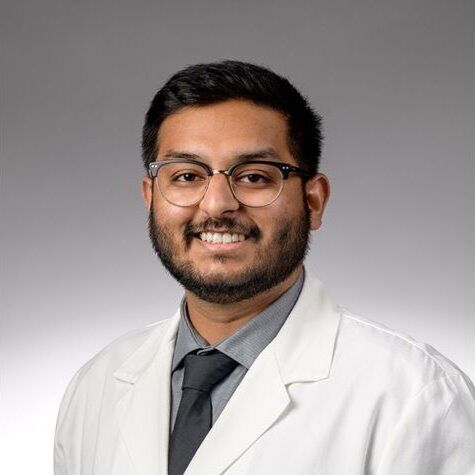
avatar for Dhruv Patel

Dhruv Patel

PGY1 Acute Care Pharmacy Resident, Prisma Health Richland
My name is Dhruv Patel, PharmD, and I am currently a PGY1 Acute Care Pharmacy Resident at Prisma Health Richland Hospital in Columbia, SC. I went to pharmacy school at Virginia Commonwealth University School of Pharmacy in Richmond, VA. I will be staying on at Prisma Health Richland... Read More →
Evaluators
Friday May 1, 2026 11:20am - 11:40am EDT
Athena G

Sign up or log in to save this to your schedule, view media, leave feedback and see who's attending!

Share Modal

Share this link via

Or copy link