Background: Tirofiban is an intravenous glycoprotein IIb/IIIa inhibitor used after intracranial stenting procedures to reduce the risk of thrombotic complications. However, tirofiban is associated with an increased risk of bleeding, including intracranial hemorrhage (ICH). Balancing thrombotic prevention with bleeding risk remains a challenge in patients undergoing intracranial stent placement. Obesity may influence the safety and effectiveness of antiplatelet therapies due to alterations in drug distribution. Data evaluating tirofiban use in obese patients who have undergone intracranial stenting procedures is limited. Specifically, the impact of obesity on major bleeding and treatment failure outcomes has not been well studied. The purpose of this study is to compare the incidence of intracranial hemorrhage or stent reocclusion, between obese and non-obese patients receiving tirofiban after intracranial stenting procedures.
Methods: This retrospective chart review included adult patients (≥18 years) who underwent elective or emergent intracranial stenting and received intravenous tirofiban during hospitalization at a comprehensive stroke center between July 1, 2018, and June 30, 2025. Patients were grouped based on body mass index (BMI) into obese (BMI ≥30 kg/m²) and non-obese (BMI <30 kg/m²) groups. The primary outcome was treatment failure, defined as a composite outcome of intracranial hemorrhage or stent reocclusion confirmed by imaging during the hospitalization. The secondary outcome was major bleeding, defined by the International Society on Thrombosis and Haemostasis (ISTH) criteria as fatal bleeding, bleeding in critical areas, a drop in hemoglobin of ≥2 g/dL, or leading to a transfusion of ≥2 units of blood. Data collected included demographic characteristics, BMI, relevant comorbidities, indication for the procedure, tirofiban dosing and duration, renal function, and concomitant antiplatelet or anticoagulant therapy. Outcomes were assessed during the tirofiban infusion only. Baseline characteristics were summarized, and outcomes were compared between groups using t-tests, chi-square analysis, or Fisher’s exact test.
Results: A total of 101 patients were included in the analysis, with 59 non-obese and 42 obese patients. Obese patients were younger (54.9 ± 15.1 vs 63.8 ± 14.7 years, p=0.007) and had higher creatinine clearance values (137.4 ± 75.4 vs 85.7 ± 36.5 mL/min, p<0.0001) compared to non-obese patients. As expected, obese patients had significantly higher dosing and actual body weights and received larger tirofiban loading doses. Other baseline characteristics, including sex, severity scores (Hunt & Hess, NIHSS), duration of tirofiban infusion, overlap with oral antiplatelet therapy, and renal dose adjustments, were similar between groups. The primary composite outcome of ICH or stent reocclusion occurred in 30.5% of non-obese patients and 40.5% of obese patients (p=0.299). Major bleeding occurred in 32.2% of non-obese patients compared to 42.9% of obese patients (p=0.273). Rates of individual outcomes, including ICH (22.0% vs 38.1%, p=0.079) and stent reocclusion (11.9% vs 2.4%, p=0.071), were not significantly different between groups. There was no significant difference in major bleeding when comparing severely obese patients (BMI ≥40 kg/m²) to non-severely obese patients (33.3% vs 37.1%, p=0.245).
Conclusions: In this retrospective analysis, obesity was not associated with a statistically significant increase in treatment failure or major bleeding among patients receiving tirofiban following intracranial stenting. However, numerically higher rates of intracranial hemorrhage were observed in obese patients, suggesting a potential safety signal. Given the overall high bleeding risk and lack of obesity-specific dosing guidance, caution remains warranted, and larger, prospective studies are needed to better define optimal dosing strategies and bleeding risk in this population.
Moderators
Presenters 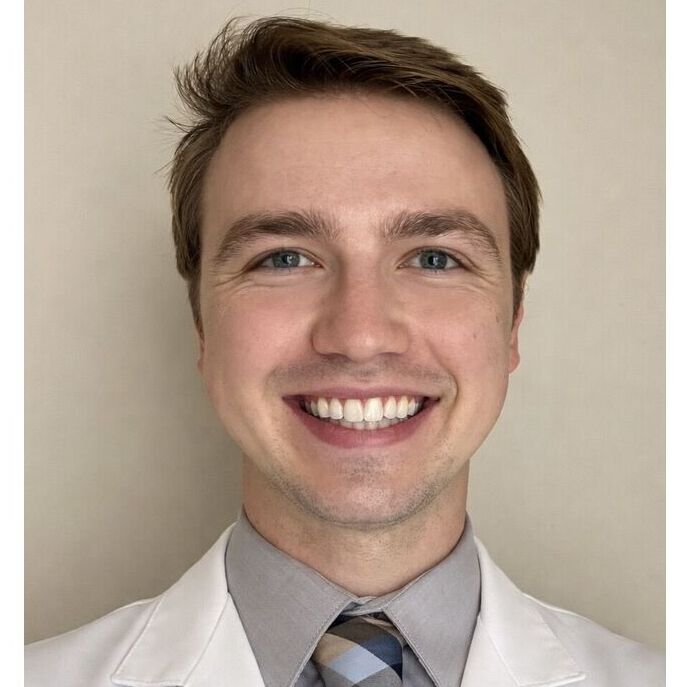
PGY-1 Resident, Piedmont Atlanta Hospital
Greg Shulkosky is a PGY1 Pharmacy Resident at Piedmont Atlanta Hospital. He completed his Bachelor of Science and Pharmaceutical Sciences and Doctor of Pharmacy degrees at the University of Toledo. He plans to obtain a clinical pharmacist position after completing his PGY1 pharmacy...
Read More →
Thursday April 30, 2026 9:50am - 10:10am
EDT
Athena D