Loading…
Friday May 1, 2026 11:00am - 11:20am EDT
Background: Adalimumab was one of the first monoclonal antibodies to have biosimilar agents commercially available. With its extensive list of indications, the market for adalimumab biosimilars has grown rapidly, and ten products have approved interchangeability in the United States. While the definition for biologic interchangeability includes demonstrated efficacy, safety, and immunogenicity comparable to the reference product, biosimilars can contain different inactive ingredients, preservatives, and administration types. These characteristics led to the development of studies exploring potential discrepancies in the efficacy and safety of adalimumab biosimilars as measured via validated tools by disease-state. Most concluded that there are no significant differences between clinical outcomes with the use of an adalimumab biosimilar compared to the reference product. Despite these findings, there are incidences of patients reporting differences in practice. This study will aim to identify patient-reported differences in efficacy and adverse effects related to switching from the adalimumab reference product (Humira®) to a biosimilar agent.

Methods: This study used a unique retrospective-prospective design of patients followed by Prisma Health Specialty Pharmacy on adalimumab for an FDA approved use. First, a retrospective chart review was conducted of patients from January 2024 through September 2025 who received at least 3 months of Humira® and at least one month of a biosimilar. Patients who discontinued adalimumab for any reason before adequate trials were completed or filled with another pharmacy were excluded. Patients meeting these criteria had their upcoming refill phone calls flagged for survey participation. At the end of this workflow completion, patients were asked if they would like to participate in a survey related to their experience with switching to an adalimumab biosimilar. This featured 10 multiple-choice questions using Likert-scale responses to achieve validity, and patients could decline any response at any time. Primary endpoints of this study included perceived efficacy and safety of Humira® and biosimilar as documented in the patient chart and obtained via patient survey. Secondary endpoints were differences between the former, including between biosimilar agents.

Results: A total of 324 patient charts were screened, and 46 patients met inclusion criteria. Patients with rheumatoid or psoriatic arthritis made up 58.7% of the study population. A majority of patients (95.7%) were transitioned to an adalimumab biosimilar due to a non-medical, insurance-mandated switch. Most patients were changed to adalimumab-adaz (Hyrimoz®; 60.9%) or adalimumab-adbm (Cyltezo®; 28.3%).

A majority of patients completed the survey (71.7%), and most were still on an adalimumab product (75.8%). At baseline, many patients thought that Humira® worked above average (27.3%) or excellent (54.6%), and almost two-thirds of patients claimed it worked better than the biosimilar. Of these patients, those who completely agreed (30.3%) were generally on Hyrimoz® (90%), and those who mostly agreed (30.3%) were generally on Cyltezo® (70%). After switching to the biosimilar, around half (48.5%) of patients experienced a delay in symptom management, which included active disease flares.

Per patient chart review, there were minimal differences in side effects reported with both Humira® and the biosimilar products (9.9% and 6.5%, respectively). This was similar in the patient survey; however, side effects were reported more frequently, occurring in 27.4% of patients in each group. The most common side effect experienced was injection site reactions. If given the chance, 61% of patients said they would switch back to Humira® from their biosimilar.

Conclusions: There are considerable patient-perceived differences in efficacy but minimal differences in safety experienced when switching from Humira® to a biosimilar. While most patients prefer Humira®, their switch is typically mandated by insurance. Support from pharmacists and other healthcare team members is imperative to try and keep patients on an efficacious biologic regimen.
Moderators Presenters
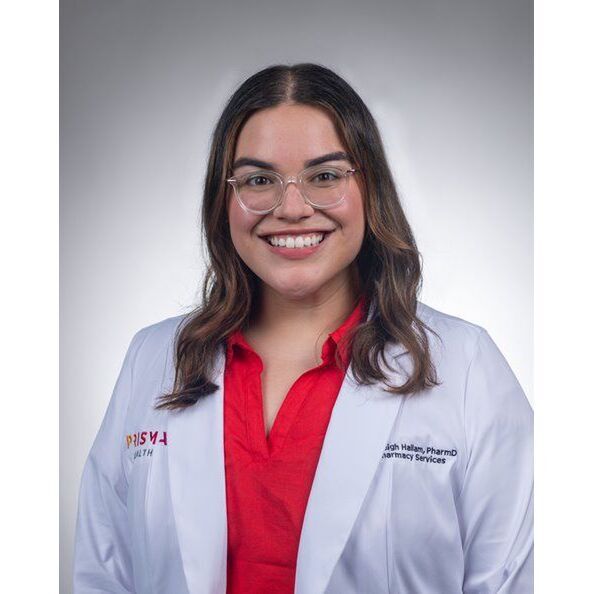
avatar for Hayleigh Hallam

Hayleigh Hallam

PGY1 Pharmacy Resident, Ambulatory Care, Prisma Health-Upstate
Hayleigh Hallam, PharmD is a current PGY1 Ambulatory Care Resident at Prisma Health-Upstate in Greenville, SC. Originally from Marietta, GA, she obtained a bachelor's degree in biomedical sciences and a minor in Leadership Studies from Auburn University before going on to complete... Read More →
Evaluators
avatar for Don Tyson

Don Tyson

Director of Pharmacy, Piedmont Athens Regional Medical Center
Friday May 1, 2026 11:00am - 11:20am EDT
Athena B

Sign up or log in to save this to your schedule, view media, leave feedback and see who's attending!

Share Modal

Share this link via

Or copy link